Top Signs Your Brake Pads Need Replacing and How to Choose the Right Ones

Your vehicle’s braking system is crucial for ensuring safety on the road. Among the most important components are the brake pads, which are responsible for creating the friction needed to slow down or stop your car. Over time, brake pads wear down and need replacement. Ignoring worn brake pads can compromise your vehicle’s performance and lead to costly repairs. In this blog, we’ll explore the top signs your brake pads need replacing and provide guidance on choosing the right replacement for your vehicle.

Top Signs Your Brake Pads Need Replacing

Understanding the signs of worn brake pads can help you address issues before they become severe. Here are the most common indicators:

  1. Squeaking or Squealing Noise
    One of the first signs of worn brake pads is a high-pitched squealing noise when you apply the brakes. This sound is caused by a wear indicator, a small metal piece built into the brake pads, designed to alert you when they’re nearing the end of their lifespan.
  2. Grinding Sound
    If you hear a grinding noise while braking, it’s likely that the brake pads have worn down completely, exposing the metal backing plate. This can damage the rotors and lead to expensive repairs if not addressed immediately.
  3. Reduced Braking Performance
    Worn brake pads can result in longer stopping distances and reduced braking efficiency. If your car takes longer to stop or feels less responsive when braking, it’s time to inspect the pads.
  4. Brake Pedal Vibrations
    A vibrating brake pedal may indicate that the brake pads are unevenly worn or that the rotors are warped. This issue can affect your ability to brake smoothly and safely.
  5. Dashboard Warning Light
    Many modern vehicles have a dashboard warning light that activates when the brake pads are worn. If this light comes on, it’s essential to get your brakes checked promptly.
  6. Visual Inspection
    You can often inspect the brake pads through the gaps in your wheels. If they appear less than 6mm thick, it’s time to consider replacing them.
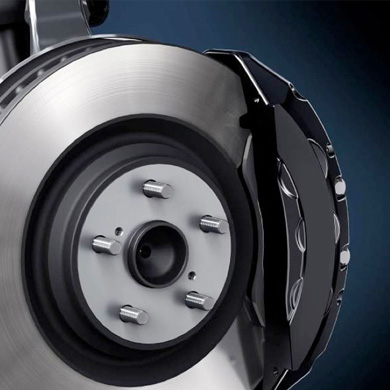
brake pads

Choosing the Right Brake Pads

Selecting the right brake pads is essential for maintaining optimal braking performance. Here are some factors to consider when choosing replacement brake pads:

  1. Types of Brake Pads
    • Ceramic Brake Pads: Known for their durability, low noise levels, and minimal dust production, ceramic brake pads are an excellent choice for everyday driving. However, they can be more expensive.
    • Semi-Metallic Brake Pads: These pads contain a mix of metals and are highly effective in heat dissipation, making them ideal for high-performance or heavy-duty vehicles. They can, however, produce more noise and dust.
    • Organic Brake Pads: Made from non-metallic materials, organic pads are quieter and more affordable. However, they tend to wear out faster and may not perform as well under extreme conditions.
  2. Driving Conditions Your driving habits and conditions play a significant role in determining the best brake pads for your vehicle. For city driving, where frequent stopping is required, ceramic or organic pads may be sufficient. For off-road or high-performance driving, semi-metallic pads are a better choice.
  3. Compatibility Always ensure that the brake pads you choose are compatible with your vehicle’s make and model. Consult your vehicle’s owner manual or speak with a trusted mechanic for recommendations.
  4. Quality and Brand Invest in high-quality brake pads from reputable brands. While cheaper options may save money upfront, they often wear out faster and compromise safety. Leading brands like Bosch, Brembo, and Wagner offer reliable brake pads that meet industry standards.
  5. Budget While it’s important to stick to your budget, avoid compromising on quality. Brake pads are a critical safety component, and investing in reliable options can save you from costly repairs or accidents in the long run.

Steps to Replace Brake Pads

If you’re a DIY enthusiast, replacing brake pads can be a straightforward process. However, if you’re unsure, it’s best to leave it to a professional mechanic. Here are the basic steps:

  1. Gather Tools and Materials
    You’ll need a jack, lug wrench, C-clamp, socket set, and new brake pads.
  2. Lift the Vehicle
    Use a jack to lift the car and remove the wheels to access the braking system.
  3. Remove Old Brake Pads
    Loosen the caliper bolts, slide the caliper off, and remove the old brake pads.
  4. Inspect and Prepare
    Check the rotors for damage and clean the caliper assembly. Use a C-clamp to compress the caliper piston.
  5. Install New Pads
    Place the new brake pads into the caliper bracket and reattach the caliper.
  6. Reassemble and Test
    Reattach the wheels, lower the car, and test the brakes to ensure they’re functioning properly.

Final Thoughts

Brake pads are a vital part of your vehicle’s safety system. Regular inspections and timely replacements can prevent accidents and costly repairs. Recognising the signs of worn brake pads and choosing the right replacements ensures optimal performance and peace of mind on the road. Whether you opt for ceramic, semi-metallic, or organic pads, prioritise quality and compatibility for the best results. If you’re unsure about the condition of your brake pads or how to replace them, consult a trusted mechanic to keep your vehicle safe and roadworthy.

Do High-Mileage Cars Need More Frequent Transmission Oil Changes?

As cars age and accumulate miles, they often require more attention to keep them running smoothly. Many drivers question whether high-mileage cars need more frequent transmission oil change. Understanding the nuances of transmission maintenance can make a significant difference in your vehicle’s longevity and performance.

The Importance of Transmission Fluid

Transmission fluid is crucial for properly functioning your vehicle’s transmission system. It lubricates the moving parts, helps maintain the right temperature, and provides the necessary hydraulic pressure to facilitate smooth gear shifts. Neglecting your transmission oil change can lead to sluggish performance and costly repairs.

transmission oil change

How Does Mileage Affect Transmission Fluid?

High-mileage cars often endure more wear and tear, leading to a breakdown in transmission fluid quality. Over time, the fluid can become contaminated with dirt and debris, reducing its effectiveness. Additionally, older vehicles may experience minor leaks or seal deterioration, allowing fluid levels to drop more rapidly.

So, do high-mileage cars need more frequent transmission oil changes? The short answer is yes! Here’s why:

  1. Degraded Fluid PerformanceAs your vehicle racks miles, the transmission fluid can lose its protective properties. This degradation can result in insufficient lubrication, leading to increased friction and heat. Therefore, more frequent changes are necessary to maintain optimal performance.
  2. ContaminationHigh-mileage vehicles are more prone to transmission fluid contaminants. Metals from wear and tear can mix with the fluid, making it dirty and less effective. Regular transmission oil changes can help eliminate these contaminants and protect your transmission.

What are the signs that your car needs a transmission fluid change?

It’s essential to recognise the signs that your car may need a transmission oil change, especially for high-mileage vehicles. Here are some indicators to watch out for:

  • Slipping GearsIf you notice your car hesitating or slipping out of gear while driving, it could be a sign that the transmission fluid is low or degraded.
  • Unusual NoisesGrinding or whining noises when shifting can indicate that your transmission fluid isn’t providing adequate lubrication.
  • Delayed EngagementIf you experience a delay when shifting from park to drive, it may suggest that your transmission fluid needs changing.

Recommended Maintenance Schedule for High-Mileage Cars

While traditional recommendations suggest changing transmission fluid every 30,000 to 60,000 miles, high-mileage cars may require more frequent service. Consider the following maintenance schedule:

  • Under 75,000 Miles: Every 30,000 miles
  • 75,000 to 100,000 Miles: Every 20,000 to 25,000 miles
  • Over 100,000 Miles: Every 15,000 to 20,000 miles

This schedule allows for more proactive maintenance, ensuring your high-mileage car remains in top condition.

Tips for Your Next Transmission Oil Change

When it’s time for a transmission oil change, consider the following tips to ensure the job is done correctly:

  1. Use the Right FluidAlways use the manufacturer-recommended transmission fluid for your vehicle. Different fluids have specific additives that are crucial for optimal performance.
  2. Flush vs. ChangeA complete fluid flush can remove more contaminants than a simple fluid change. However, it’s essential to consult with a mechanic to determine which method is best for your car’s age and condition.
  3. Keep RecordsDocument all maintenance, including transmission oil changes. This record can help track your car’s service history and assist mechanics in diagnosing potential issues in the future.

Conclusion

High-mileage cars benefit from more frequent transmission oil change. As a vehicle ages, its transmission fluid can contaminate and degrade, leading to potential performance issues. By staying vigilant and adhering to a regular maintenance schedule, you can help extend the life of your car and ensure a smooth driving experience.

Remember, maintaining your vehicle is not just about avoiding problems; it’s about enjoying the ride! So, when in doubt, prioritise those transmission oil changes and keep your high-mileage car running smoothly for years to come.

How to Choose the Right Vehicle Servicing Provider for Your Needs

When it comes to maintaining your vehicle, selecting the right servicing provider is crucial. Regular maintenance not only prolongs the life of your car but also ensures your safety on the road. 

With numerous options available, how do you choose the right provider for your needs? Here a comprehensive vehicle servicing Christchurch guide to help you make an informed decision.

  1. Identify Your Vehicle Servicing Needs

Before you start your search, it’s essential to understand your specific servicing needs. Different vehicles require different types of maintenance based on their make, model, and age. Here are some common services to consider:

  • Routine Maintenance: This includes oil changes, tyre rotations, and brake inspections.
  • Specialised Services: Some vehicles may require specialised services such as transmission repair, engine diagnostics, or air conditioning servicing.
  • Warranty Requirements: If your vehicle is still under warranty, ensure that the servicing provider complies with the manufacturer’s specifications to avoid voiding it.
brake repairs Christchurch
  1. Research Local Providers

Once you have a clear idea of your servicing needs, begin researching local providers. Here are some effective methods to find reputable options:

  • Online Reviews: Websites like Google, Yelp, and social media platforms provide valuable insights from previous customers. Look for providers with consistently high ratings and positive feedback.
  • Word of Mouth: Ask friends, family, and colleagues for recommendations. Personal experiences can often lead you to trustworthy providers.
  • Industry Associations: Check if the provider is part of any automotive associations, which may indicate a commitment to professional standards and quality service.
  1. Check Qualifications and Experience

Before entrusting your brake repairs Christchurch vehicle to a servicing provider, verify their qualifications and experience. Here are some key points to consider:

  • Certifications: Look for certifications from recognised organisations such as the Automotive Service Excellence (ASE) or manufacturer-specific training. These certifications demonstrate that the technicians have undergone rigorous training.
  • Experience with Your Vehicle Make: Some providers specialise in certain brands. If you own a luxury or foreign car, consider a provider with expertise in that specific make.
  • Years in Business: A long-established provider often indicates reliability and customer satisfaction. Newer businesses can be excellent as well, but ensure they have the right experience in the services you require.
  1. Evaluate the Facility

Visiting the vehicle servicing Christchurch facility in person can provide valuable insights into the quality of service you can expect. Here’s what to look for:

  • Cleanliness and Organisation: A well-maintained shop reflects professionalism. Pay attention to the cleanliness of the waiting area and service bays.
  • Equipment: Modern, well-maintained equipment indicates that the provider invests in their tools and technology, which can lead to more efficient and accurate servicing.
  • Customer Service: Observe how the staff interacts with customers. Friendly, knowledgeable staff who are willing to answer your questions can enhance your overall experience.
  1. Ask Questions

Don’t hesitate to ask questions when you visit or contact a servicing provider. Here are some critical inquiries to make:

  • Pricing: Request a detailed estimate for the services you need. Ensure there are no hidden fees and understand how they charge for parts and labour.
  • Warranty on Services: Inquire if the provider offers a warranty on their work. A good warranty indicates confidence in their services.
  • Service Turnaround Time: Ask how long the service will take and if they offer any loaner vehicles or shuttle services for customers.
  1. Review Policies and Guarantees

Before making your final brake repairs Christchurch decision, carefully review the provider’s policies and guarantees. Look for:

  • Satisfaction Guarantees: A reputable provider should stand behind their work and offer to rectify any issues at no extra cost.
  • Payment Options: Check if they accept various payment methods, including credit cards, financing options, or payment plans.
  • Communication: A good service provider will communicate clearly about what services are necessary, why they are needed, and what costs are involved.
  1. Trust Your Instincts

Ultimately, your gut feeling about a provider matters. After considering all the factors, choose a servicing provider you feel comfortable with. Trust is vital in a long-term relationship, as you may need their services repeatedly.

Final Words

Choosing the right vehicle servicing Christchurch provider is an essential step in ensuring your vehicle’s longevity and performance. By identifying your needs, conducting thorough research, checking qualifications, evaluating facilities, asking the right questions, reviewing policies, and trusting your instincts, you can find a provider that meets your requirements. 

Take the time to make an informed decision, and your vehicle will thank you for it in the long run. Remember, a well-maintained car not only enhances your driving experience but also keeps you safe on the road.

How To Find A Certified Mechanic In Your Local Area?

Finding a certified mechanic in your local area ensures your vehicle receives high-quality maintenance and repairs. If you are located in Christchurch, you may be looking for the best mechanics professionals have to offer.

This guide will provide practical steps to locate reputable, certified mechanics Christchurch professionals who meet your automotive needs.

More Info: www.pkautoservices.co.nz/car-servicing-christchurch

The Importance of Certification

Certification is a critical factor when choosing a mechanic. Certified mechanics have completed rigorous training and testing, which ensures they are well-versed in the latest automotive technologies and repair techniques.

When searching for Christchurch mechanics, prioritising those with valid certifications can provide you with confidence in their expertise and service quality.

Steps to Locate Certified Mechanics

Conduct Online Research

Begin your search by leveraging online resources. Review websites and platforms that provide ratings and reviews of mechanics Christchurch professionals. Customer feedback can offer valuable insights into the reliability and quality of various mechanics’ services.

Pay attention to reviews that mention professionalism, customer service, and the effectiveness of repairs.

Seek Recommendations

Personal recommendations can be invaluable. Ask friends, family, or colleagues about their experiences with local Christchurch mechanics.

Recommendations from trusted individuals can help you find a mechanic with a proven track record of delivering excellent service.

Verify Qualifications and Certifications

After narrowing down your options, verify the qualifications of the mechanics you are considering. Certified mechanics Christchurch professionals should be able to present their credentials upon request.

Look for certifications from recognised automotive organisations, which indicate adherence to industry standards and ongoing professional development.

Visit the Workshop

If feasible, visit the mechanic’s workshop to assess their facilities. A well-maintained and organised workshop often reflects the quality of their work.

During your visit, inquire about their experience, services offered, and the types of warranties available for their repairs.

Compare Pricing

While certification is crucial, it is also important to consider pricing. Obtain estimates from several Christchurch mechanics to compare costs.

Be cautious of unusually low prices, which may suggest substandard service or hidden fees. Opt for a mechanic who offers transparent pricing and a fair cost for the services provided.

Christchurch Mechanics

Essential Qualities in a Certified Mechanic

Professionalism

A certified mechanic should exhibit a high level of professionalism. This includes effective customer communication, a clean and organised workspace, and a systematic approach to vehicle repairs.

Transparency

Transparency is a key attribute of reliable Christchurch mechanics. They should clearly explain the nature of the repairs needed and provide a detailed estimate of costs. Avoid mechanics who are vague or reluctant to discuss their services and pricing.

Customer Service

Excellent customer service is indicative of a top-notch mechanic. Look for professionals who are responsive to your inquiries, keep you informed about the status of your vehicle, and ensure you feel comfortable with the repair process.

Conclusion

Finding a certified mechanic in your local area is crucial in maintaining your vehicle’s performance and safety. By focusing on certification, gathering recommendations, and conducting thorough research, you can identify a trustworthy and skilled professional.

Whether you seek mechanics Christchurch professionals,these guidelines will help you make an informed decision and ensure your vehicle receives the best possible care.

Source: How To Find A Certified Mechanic In Your Local Area?

Why Regular Wheel Alignment Is Crucial For Your Safety?

Maintaining your vehicle’s safety and performance requires more than regular servicing. While oil changes and other routine checks are essential, wheel alignment plays a vital role in ensuring your car’s longevity and safety on the road.

Regular Wheel Alignment Services Christchurch are crucial for those driving in Christchurch to avoid uneven tyre wear, poor handling, and compromised safety. This article will explore the importance of regular wheel alignment and why it should be an essential part of your vehicle maintenance routine.

Understanding Wheel Alignment

Wheel alignment refers to adjusting your vehicle’s suspension system, which connects the car to its wheels. When your wheels are correctly aligned, they are set at optimal angles to ensure smooth driving, even tyre wear, and better vehicle control.

Over time, driving on uneven surfaces, hitting potholes, or even regular wear and tear can cause your wheels to become misaligned. This can lead to dangerous driving conditions, making regular wheel alignment services necessary.

Next time you visit your mechanic for an Oil Change Service Christchurch, consider checking your wheel alignment to ensure your vehicle is in top condition.

Key Benefits of Regular Wheel Alignment

Enhanced Vehicle Control and Safety

Misaligned wheels can severely impact your ability to steer and control your vehicle. When your wheels are out of alignment, your car may pull to one side, making driving in a straight line more challenging. This can be especially dangerous when precise control is critical during wet or slippery conditions.

Regular wheel alignment services ensure your vehicle maintains optimal handling and responsiveness, significantly enhancing your safety.

Prolonged Tire Life

One of the most common effects of misaligned wheels is uneven tyre wear. This means certain parts of the tyre will wear out faster than others, reducing the overall lifespan of your tyres. By regularly scheduling wheel alignment Christchurch services, you can avoid unnecessary tyre replacements and ensure your tyres wear evenly.

This extends their life and saves you money on frequent replacements. Incorporating wheel alignment checks into your regular maintenance schedule, alongside your oil change Christchurch service, will keep your tyres and vehicle in excellent condition.

Improved Fuel Efficiency

Misaligned wheels cause the vehicle to work harder to move forward, increasing resistance and ultimately affecting fuel efficiency. Poor alignment forces the engine to expend more energy, increasing fuel consumption.

Regular wheel alignment Christchurch services help maintain optimal alignment, allowing your vehicle to run more efficiently and reducing fuel costs.

Reduced Wear on Other Components

When your wheels are misaligned, it doesn’t just affect your tyres. It can also put undue stress on other parts of your vehicle’s suspension system, such as the shocks, struts, and ball joints.

Over time, this added strain can cause these components to wear out prematurely, leading to costly repairs. Regular wheel alignment protects your tyres and preserves the condition of other critical vehicle components.

Wheel Alignment Christchurch

Signs That Your Vehicle Needs Wheel Alignment

Regular wheel alignment checks are necessary, but it’s also important to be aware of common signs that your wheels may be misaligned. These include:

The vehicle pulled to one side while driving straight.

Uneven tyre wear.

A vibrating or shaking steering wheel.

The steering wheel is not centred when driving straight.

If you notice any of these issues, it’s essential to schedule a wheel alignment service promptly to avoid further damage or safety risks.

Conclusion

Regular wheel alignment is a crucial aspect of vehicle maintenance that directly impacts your safety, fuel efficiency, and overall driving experience. Whether you’re scheduling an oil change Christchurch service or a routine inspection, including wheel alignment in your service plan will help prevent issues before they become costly or dangerous.

Adequately aligned wheels ensure better vehicle control, extended tyre life, and improved fuel efficiency, making it a vital part of keeping your vehicle safe and efficient on the roads of Christchurch. Don’t overlook the importance of regular wheel alignment Christchurch services—it’s a small step that can significantly impact your safety and your vehicle’s performance.

Source: Why Regular Wheel Alignment Is Crucial For Your Safety?

The Ultimate Guide To Car Service: What To Expect?

Maintaining your vehicle through regular car service is crucial for ensuring optimal performance, safety, and longevity. Understanding what to expect from a professional Christchurch car service and the importance of wheel alignment Christchurch service can help you make informed decisions about your vehicle’s maintenance.

This guide provides a comprehensive overview of car service processes and the critical role of wheel alignment.

More Info: www.pkautoservices.co.nz/car-servicing-christchurch/

Understanding Car Service

Car service involves a series of systematic checks and repairs designed to keep your vehicle running smoothly.

Regular servicing is essential for preventing unexpected breakdowns, enhancing performance, and extending the lifespan of your vehicle. A typical car service includes:

  • Oil and filter change
  • Brake system inspection
  • Fluid level checks
  • Battery condition assessment
  • Tyre evaluation

Importance of Regular Car Service

Regular car servicing is vital for several reasons:

  • Prevention of Major Repairs: Routine maintenance can identify and address minor issues before they escalate into significant problems.
  • Enhanced Performance: A well-maintained vehicle operates more efficiently and provides a smoother driving experience.
  • Improved Fuel Efficiency: Regular servicing can enhance fuel efficiency, reducing fuel costs.
  • Increased Vehicle Longevity: Consistent care helps extend the lifespan of your vehicle, ensuring long-term reliability.

What to Expect from Christchurch Car Service

When you schedule a Christchurch Car Service, the process typically involves the following steps:

Initial Assessment

The service begins with an initial assessment of your vehicle. During this phase, a technician will review the vehicle’s condition and discuss any specific concerns you may have. This preliminary check helps in planning the service effectively.

Routine Maintenance and Replacements

The technician will carry out routine maintenance tasks and replace components as needed. This usually includes:

  • Oil Change: Essential for engine lubrication and performance.
  • Filter Replacement: Ensures the engine and fuel system remain clean.
  • Brake Inspection: Checks the condition of brake pads and discs for safety.
  • Fluid Top-Up: Ensures critical fluids such as coolant and power steering fluid are at optimal levels.

Comprehensive Examination

For a thorough Christchurch car service, expect a detailed examination of various vehicle systems, including the suspension, exhaust system, and transmission. The technician will also inspect the tyres, focusing on their condition and alignment.

The Significance of Wheel Alignment

Wheel alignment is a critical aspect of vehicle maintenance. Misaligned wheels can lead to several issues, including uneven tyre wear, impaired handling, and decreased fuel efficiency. This is where Wheel Alignment Service Christchurch becomes essential.

Benefits of Proper Wheel Alignment

Proper wheel alignment ensures that your tyres are positioned correctly relative to the road and each other. Key benefits include:

  • Even Tyre Wear: Prevents premature tyre replacement by ensuring uniform wear.
  • Improved Handling: Enhances vehicle handling and stability.
  • Fuel Efficiency: Optimises fuel consumption by reducing drag and friction.

Wheel Alignment Christchurch Process

When you visit a wheel alignment Christchurch specialist, the following steps are typically involved:

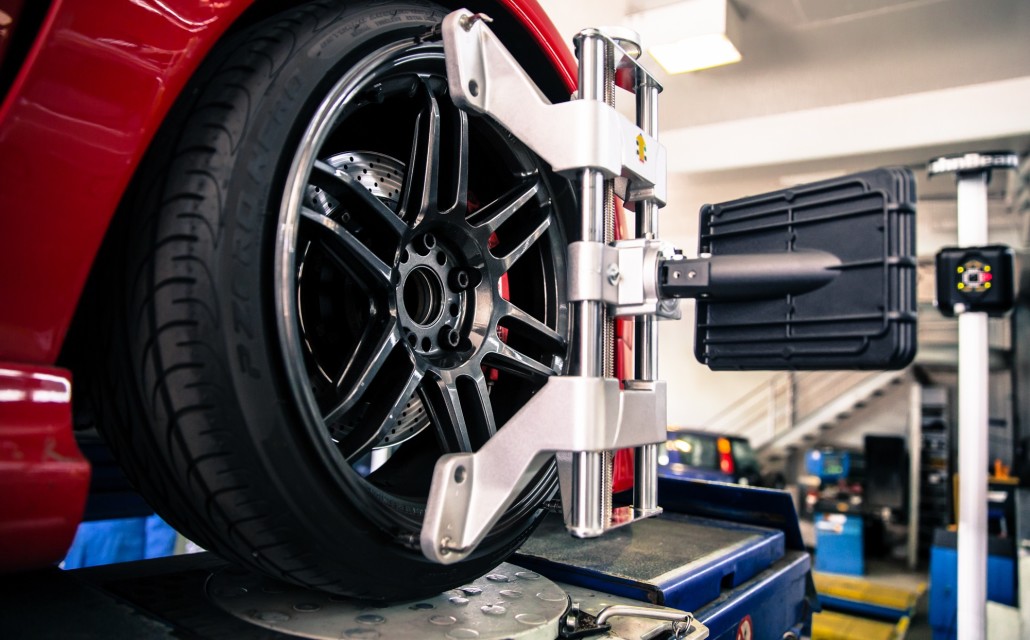
  1. Alignment Inspection: The technician uses specialised equipment to measure wheel angles.
  2. Adjustment: Necessary adjustments are made to align the wheels correctly.
  3. Post-Adjustment Testing: The vehicle is test-driven to ensure optimal handling and alignment.
Wheel Alignment Christchurch

Maintaining Your Vehicle Between Services

While regular Christchurch car service visits are crucial, there are additional steps you can take to maintain your vehicle’s condition between services:

  • Monitor Tyre Pressure: Ensure tyres are inflated to the recommended levels.
  • Check Fluid Levels: Regularly inspect and top up essential fluids.
  • Listen for Unusual Noises: Promptly Address abnormal sounds to prevent further damage.

Conclusion

A thorough understanding of what to expect from a Christchurch car service can significantly impact your vehicle’s performance and longevity. Regular maintenance and precise wheel alignment are key to ensuring your vehicle remains reliable, efficient, and safe.

Adhering to these guidelines can ensure a smooth and dependable driving experience. For car maintenance needs, consult a professional service provider to keep your vehicle in optimal condition.

Source: The Ultimate Guide To Car Service: What To Expect?

How Does a Car Service Impact Your Vehicle’s Resale Value?

When it comes to selling your vehicle, the importance of regular car servicing cannot be overstated. Not only does routine maintenance keep your car running smoothly, but it also significantly affects its resale value.

For many sellers, understanding the relationship between car service and resale value can make a substantial difference in the final sale price. In this blog, let’s delve into how regular Christchurch Car Services impacts your vehicle’s resale value and provide insights on how to maintain your car to maximise its worth.

The Role of Car Service in Resale Value

Regular car servicing ensures that your vehicle remains in optimal condition. This involves routine checks and repairs that keep the engine, transmission, brakes, and other vital components functioning correctly.

A well-maintained car is more attractive to potential buyers, who are often looking for reliability and longevity in a used vehicle. Here’s how regular servicing plays a crucial role in enhancing your car’s resale value:

Improved Reliability: Buyers are more inclined to purchase a car that has a proven track record of reliability. A car with a consistent service history suggests that it has been well cared for and is less likely to have hidden issues. This reliability can translate into a higher resale value as buyers feel more confident about the car’s condition.

Better Condition: Best Wheel Alignment maintenance helps prevent wear and tear that can lead to costly repairs. By addressing issues early, such as replacing worn-out brake pads or fixing minor leaks, you keep your car in better condition. This overall preservation of the vehicle’s condition contributes to a higher resale value.

Complete Service Records: Having a comprehensive service history is a significant selling point. Buyers are more willing to pay a premium for a car with a documented service record, as it provides transparency about the vehicle’s maintenance and care. This documentation can include oil changes, tire rotations, and major repairs, all of which contribute to a higher resale value.

Factors Influencing Resale Value

Several factors related to Christchurch car service can influence your vehicle’s resale value:

Maintenance Schedule Adherence: Cars that adhere to the manufacturer’s recommended maintenance schedule are typically more valuable. Regular oil changes, filter replacements, and fluid checks keep the engine running smoothly and reduce the likelihood of major repairs. This adherence to schedule signals to potential buyers that the car has been diligently maintained.

Visual and Functional Aspects: A well-maintained car not only runs better but also looks better. Regular servicing includes cleaning, waxing, and minor cosmetic repairs. A clean, well-presented car with no visible signs of neglect or damage is more appealing and commands a higher resale price.

Avoiding Major Repairs: Regular servicing can prevent major mechanical failures that might arise from neglect. For instance, catching engine problems early can avoid expensive repairs later. A car that has avoided major repairs due to regular maintenance is more likely to retain its value.

Christchurch Car Service

How to Maintain Your Car for Maximum Resale Value

To ensure your car maintains its value, consider the following tips:

Follow the Manufacturer’s Recommendations: Always adhere to the maintenance schedule outlined in your car’s owner’s manual. This includes regular oil changes, tire rotations, and other routine services.

Keep Detailed Records: Maintain a detailed wheel alignment Christchurch log of all service and repair work done on your vehicle. This record not only helps you keep track of maintenance but also provides potential buyers with a comprehensive history of the car’s upkeep.

Address Issues Promptly: Don’t ignore minor issues. Address them as soon as they arise to prevent them from becoming major problems. Regularly check your car’s performance and have any concerns evaluated by a professional.

Clean and Care for the Vehicle: Regularly wash and detail your car to keep it looking its best. Clean the interior and exterior to remove dirt and stains, and address any minor cosmetic issues promptly.

The Impact of Neglect on Resale Value

Neglecting car maintenance can have a significant negative impact on your vehicle’s resale value. Cars with poor maintenance records often suffer from:

Increased Wear and Tear: Lack of regular maintenance can lead to excessive wear and tear on components, resulting in a decrease in the vehicle’s overall condition and value.

Higher Repair Costs: Ignoring minor issues can lead to major repairs, which can be costly. Potential buyers are likely to be deterred by the prospect of having to invest in expensive repairs shortly after purchase.

Diminished Appeal: A car that appears neglected or poorly maintained is less attractive to buyers. Scratches, dents, and a dirty interior can reduce the vehicle’s appeal and, consequently, its resale value.

Final Words

Regular Christchurch car service is a key factor in maintaining and enhancing your vehicle’s resale value. By adhering to a consistent maintenance schedule, keeping detailed records, and addressing issues promptly, you can ensure that your car remains in top condition and commands a higher price when it’s time to sell.

A well-maintained car not only runs better but also presents a more attractive option for potential buyers, making your investment in routine servicing well worth the effort.

Source: How Does a Car Service Impact Your Vehicle’s Resale Value?

How Does an Oil Change Affect Your Car’s Fuel Efficiency?

Maintaining your vehicle is crucial for its longevity and performance, but did you know that regular oil changes can also significantly impact your car’s fuel efficiency? Many drivers overlook the role of engine oil in fuel consumption, focusing more on tyre pressure, driving habits, and fuel types.

However, the oil running through your engine is like the lifeblood of your car, and keeping it in good condition can lead to better mileage and a more efficient engine. In this blog, let’s explore how Oil Change Chch affects your car’s fuel efficiency and why regular maintenance is key to saving money at the pump.

The Role of Engine Oil

Engine oil serves several critical functions in your vehicle. It lubricates the moving parts of the engine, reducing friction and preventing metal-on-metal contact, which can cause excessive wear and tear.

Additionally, oil helps to cool the engine by dissipating heat and removing contaminants that can accumulate over time. Without Best Wheel Alignment lubrication, an engine would quickly overheat and become less efficient, ultimately leading to potential engine failure.

How Oil Quality Impacts Fuel Efficiency

When engine oil is fresh and clean, it effectively coats all the engine parts, ensuring smooth operation. However, over time, the oil becomes dirty and thick, losing its lubricating properties. This degradation of oil quality can cause the engine to work harder, increasing friction and resistance among engine components. As a result, the engine requires more energy to perform the same tasks, leading to higher fuel consumption.

In contrast, using high-quality, fresh engine oil reduces friction, allowing the engine to operate more smoothly and efficiently. This improved efficiency means that the engine doesn’t have to work as hard, thus using less fuel. In other words, clean oil can enhance your car’s fuel economy by reducing the energy required to keep the engine running.

The Impact of Viscosity on Fuel Efficiency

The viscosity of engine oil refers to its thickness and ability to flow at different temperatures. Using the correct oil viscosity for your vehicle is essential for maintaining optimal fuel efficiency. If the oil is too thick, it creates more resistance within the engine, causing the engine to use more power and, therefore, more fuel. On the other hand, oil that is too thin may not provide sufficient lubrication, leading to increased friction and wear.

Modern engines are designed with specific oil viscosity requirements, often noted in the owner’s manual. Adhering to these recommendations is crucial because using the wrong oil can negatively impact fuel efficiency. During an oil change Christchurch, your mechanic will ensure that the correct viscosity oil is used, helping to maintain or even improve your car’s fuel economy.

Oil Change Christchurch

Regular Oil Changes and Engine Cleanliness

One of the lesser-known benefits of regular oil changes is the role they play in keeping your engine clean. Over time, engine oil picks up dirt, debris, and other contaminants, which can form sludge.

This sludge can clog up engine parts, causing them to work less efficiently and leading to increased fuel consumption. Regular oil changes flush out these contaminants, ensuring that your engine remains clean and free from sludge buildup.

A clean engine not only runs more efficiently but also reduces the strain on other engine components, which can prolong their lifespan. This cleanliness translates directly into better fuel efficiency, as the engine can operate without the added burden of sludge and debris.

The Cost Savings of Improved Fuel Efficiency

While the cost of regular oil changes might seem like an added expense, the improved fuel efficiency they provide can lead to significant cost savings over time. According to the U.S. Department of Energy, regular wheel alignment Christchurch service can improve your gas mileage by 1-2%. While this might not sound like much, it adds up over time, especially if you drive frequently or over long distances.

Consider this: if your car’s fuel efficiency improves by just 2%, you could save approximately 20 gallons of gas per year if you drive 12,000 miles annually. With gas prices fluctuating, these savings can quickly cover the cost of an oil change, making it a worthwhile investment.

Final Thoughts

Regular oil changes are not just about prolonging the life of your engine—they are also crucial for maintaining and improving your car’s fuel efficiency. Clean, high-quality oil reduces engine friction, ensures proper lubrication, and keeps your engine clean, all of which contribute to better gas mileage.

By following the manufacturer’s recommendations for oil type and change intervals, you can save money at the pump and enjoy a smoother, more efficient ride.

In the end, an oil change is a small but significant maintenance task that can have a big impact on your car’s performance and fuel economy. So the next time you’re due for an oil change Christchurch service, remember that it’s not just about keeping your engine running smoothly—it’s also about getting the most out of every gallon of gas.

Source: How Does an Oil Change Affect Your Car’s Fuel Efficiency?

The Unsung Heroes of the Road: A Tribute to Mechanics

In the hustle and bustle of our daily lives, we often take our vehicles for granted. We rely on them to get us to work, take our kids to school, and embark on adventures. However, when something goes wrong, there’s one group of professionals who are always ready to save the day: mechanics.

These unsung heroes of the road work tirelessly behind the scenes to ensure our vehicles are running smoothly and safely. Today, let’s celebrate the indispensable Mechanics Christchurch role that mechanics play in our lives.

The Art and Science of Being a Mechanic

Mechanics are often seen as individuals who get their hands dirty under the hood of a car, but their job is far more intricate. It requires a deep understanding of both the art and science of vehicle repair and maintenance.

Modern vehicles are complex machines, packed with advanced technology and sophisticated systems. Mechanics need to be well-versed in electronics, computer diagnostics, and the intricacies of various vehicle models.

The Role of Technology

With the advent of electric and hybrid vehicles, the role of mechanics has evolved significantly. They now need to stay updated with the latest advancements in automotive technology. This means continuous learning and adapting to new tools and techniques. The modern mechanic is as much a tech-savvy diagnostician as they are a skilled craftsman.

The Importance of Preventive Maintenance

One of the key responsibilities of mechanics is to perform preventive maintenance. Regular check-ups and servicing can prevent major issues down the line, saving vehicle owners time and money. From changing oil and rotating tires to inspecting brakes and fluid levels, preventive maintenance is crucial in extending the life of a vehicle.

Spotting Problems Early

Mechanics have a trained eye for spotting potential problems before they become serious. This proactive approach not only ensures the safety of the driver and passengers but also enhances the overall performance of the vehicle. It’s like having a personal health check-up for your car, catching any mechanics Christchurch issues early and addressing them promptly.

Mechanics Christchurch

The Mechanics Toolbox

The image of a mechanic wielding a wrench is iconic, but their toolbox is filled with a vast array of specialised equipment. From diagnostic scanners to pneumatic tools, the modern mechanic’s arsenal is designed to tackle a wide range of problems efficiently.

Diagnostic Tools

One of the most important tools in a mechanic’s kit is the diagnostic scanner. This device can read error codes from a vehicle’s computer system, providing valuable insights into what might be wrong. It’s akin to a doctor using medical imaging to diagnose a patient’s condition. With the right tools, mechanics can pinpoint issues with precision and accuracy.

Building Trust with Customers

Trust is a cornerstone of the mechanic-customer relationship. Vehicle owners need to feel confident that their mechanic is honest, knowledgeable, and Christchurch mechanics capable of fixing their issues without unnecessary upselling. Building this trust takes time and a track record of reliable service.

Communication Skills

Effective communication is key. Mechanics need to explain complex issues in a way that customers can understand, providing clear explanations and outlining the necessary repairs. Transparency in pricing and a commitment to quality workmanship help build long-lasting relationships with clients.

The Unsung Stories of Mechanics

Every mechanic has stories to tell—tales of extraordinary fixes, challenging repairs, and moments of triumph. These stories often go unheard, but they are a testament to the skill and dedication of these professionals.

A Day in the Life

Consider the mechanic who stayed late to ensure a family could safely go on their vacation or the one who found a creative solution to an unusual problem. These everyday heroes go above and beyond, often working in less-than-ideal conditions, to keep our lives moving.

The Future of Mechanics

As the automotive industry continues to evolve, so too will the role of mechanics. With Christchurch mechanics advancements in autonomous vehicles, electric cars, and even flying cars on the horizon, mechanics will need to adapt and innovate continuously.

Continued Education

Ongoing education and training will be essential. Mechanics will need to stay abreast of the latest technologies and repair techniques, ensuring they can meet the needs of tomorrow’s vehicles. The future of mechanics is bright, filled with new challenges and opportunities to showcase their expertise.

Final Thoughts

Mechanics are the unsung heroes who keep our world moving. Their expertise, dedication, and unwavering commitment to their craft ensure that we can travel safely and confidently. The next time your vehicle needs attention, remember the skilled hands and sharp minds working behind the scenes. Let’s celebrate and appreciate these indispensable mechanics Christchurch professionals who play such a crucial role in our daily lives.

Source: The Unsung Heroes of the Road: A Tribute to Mechanics

The Essential Guide to Oil Change: Keeping Your Engine Happy

When it comes to vehicle maintenance, one of the most crucial tasks is the oil change. This simple yet vital procedure can significantly impact your car’s performance, longevity, and efficiency. In this blog, we’ll explore why regular Oil Change Services Christchurch is essential, how often you should change your oil, and the different types of oil available to keep your engine running smoothly.

Why Oil Changes Matter

Think of engine oil as the lifeblood of your vehicle. It lubricates the engine’s moving parts, reducing friction and preventing wear and tear. Over time, however, oil degrades and becomes contaminated with dirt, debris, and other impurities. This degradation can lead to serious engine problems if not addressed promptly.

Benefits of Regular Oil Changes

Enhanced Engine Performance: Fresh oil improves engine efficiency, leading to better overall performance. When your engine runs smoothly, you’ll notice a difference in acceleration and responsiveness.

Increased Fuel Efficiency: Clean oil reduces engine friction, allowing it to operate more efficiently. This means you’ll get more miles per gallon, saving you money at the pump.

Extended Engine LifespanBest Wheel Alignment Christchurch helps prevent engine wear and damage, extending the lifespan of your vehicle. By investing in this simple maintenance task, you’re protecting your investment for the long haul.

Reduced Emissions: Clean oil contributes to a cleaner engine, which means reduced emissions. This not only benefits the environment but can also help your vehicle pass emissions tests more easily.

How Often Should You Change Your Oil?

The frequency of oil changes can vary based on several factors, including your vehicle’s make and model, driving habits, and the type of oil used. Here are some general guidelines:

Conventional Oil: Typically, it’s recommended to change conventional oil every 3,000 to 5,000 miles or every three to six months. This is particularly true for older vehicles or those that experience severe driving conditions.

Synthetic Oil: If you use synthetic oil, you can extend the interval between changes to about 7,500 to 10,000 miles or every six to twelve months. Synthetic oils are designed to withstand higher temperatures and resist breakdown, making them ideal for modern engines.

Check Your Owner’s Manual: Always refer to your vehicle’s owner manual for specific recommendations regarding oil change intervals. Manufacturers provide valuable information tailored to your vehicle’s needs.

Wheel Alignment Christchurch

Types of Engine Oil

Choosing the right type of oil for your vehicle is crucial. Here’s a breakdown of the most common types of engine oil:

Conventional Oil: This is the most basic type of motor oil, derived from crude oil. It’s suitable for light-duty vehicles and those that require frequent oil changes.

Synthetic Oil: Engineered for high performance, synthetic oil offers superior protection and stability under extreme conditions. It’s ideal for high-performance vehicles or those that require extended oil change intervals.

Synthetic Blend Oil: This is a mix of conventional and synthetic Oil Change Christchurch, offering better protection than conventional oil while being more affordable than full synthetic options.

High-Mileage Oil: Specifically formulated for vehicles with over 75,000 miles, high-mileage oil contains additives that help reduce oil consumption and prevent leaks.

Signs It’s Time for an Oil Change

Not sure if it’s time for an oil change? Keep an eye out for these signs:

Oil Change Light: Most modern vehicles come equipped with an oil change light on the dashboard. If this light illuminates, it’s time to get your oil changed.

Dark, Dirty Oil: Check your oil using the dipstick. If it appears dark and gritty, it’s overdue for a change.

Engine Noises: If you notice unusual noises coming from your engine, it could indicate low or dirty oil. Regular oil changes can help prevent this issue.

Decrease in Fuel Efficiency: A sudden drop in fuel efficiency may signal that your Wheel Alignment Christchurch needs changing, as dirty oil can hinder engine performance.

The Oil Change Process

If you decide to tackle the oil change yourself, here’s a quick overview of the process:

Gather Supplies: You’ll need the right oil, an oil filter, a wrench, a drain pan, and a funnel.

Warm Up the Engine: Run the engine for a few minutes to warm the oil, making it easier to drain.

Drain the Old Oil: Place the drain pan under the oil pan, remove the drain plug, and let the old oil drain completely.

Replace the Oil Filter: Remove the old oil filter and replace it with a new one.

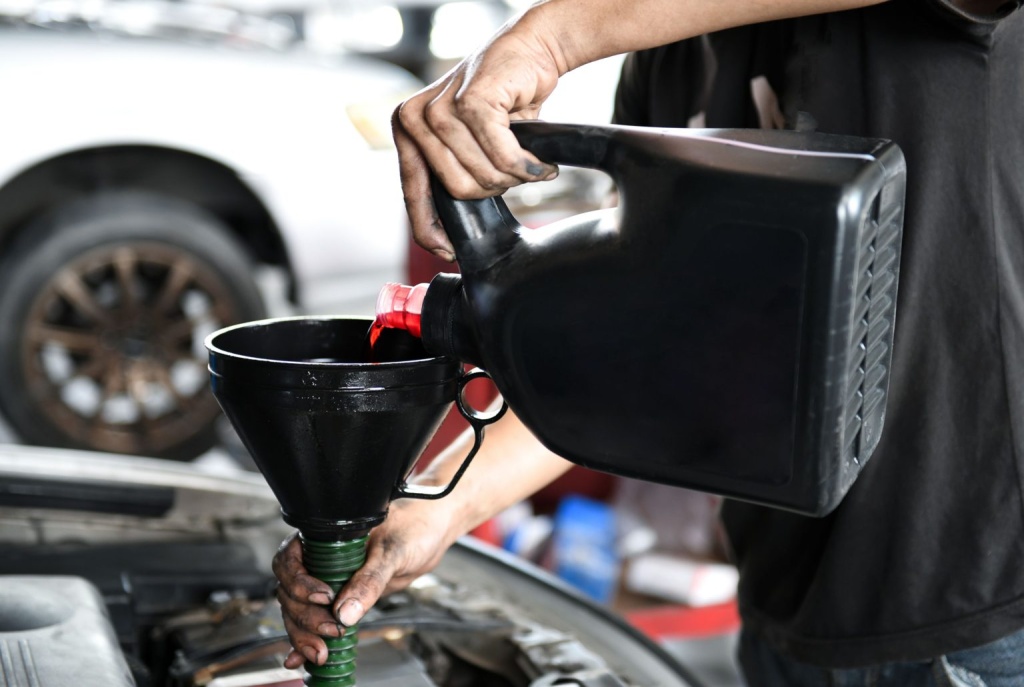
Add New Oil: Use the funnel to add the new oil, checking the dipstick to ensure you don’t overfill.

Check for Leaks: After replacing the drain plug and running the engine for a minute, check for any leaks around the oil filter and drain plug.

Final Thoughts

Regular oil change Christchurch are a fundamental aspect of vehicle maintenance that shouldn’t be overlooked. By staying on top of this simple task, you’ll ensure your engine runs smoothly, your fuel efficiency improves, and your vehicle lasts longer. So, don’t wait until that oil change light comes on—make it a priority and keep your engine happy.

Source: The Essential Guide to Oil Change: Keeping Your Engine Happy

Design a site like this with WordPress.com
Get started